Tapas, Reasonable Effort and the Intelligence of Practice
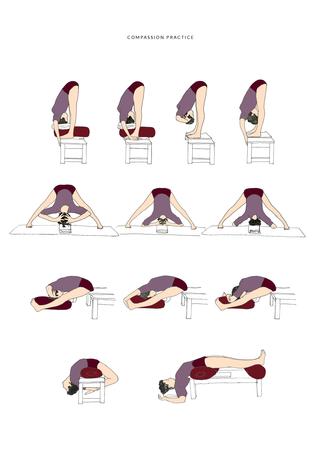
Tapas is one of the oldest and most persistent concepts in Indian traditions of practice. Derived from the Sanskrit root tap, “to heat” or “to burn,” the term has accumulated meanings ranging from heat and ascetic austerity to disciplined transformative practice. In Patañjali’s Yoga Sūtra, tapas appears both as a component of kriyāyoga and among the niyama, where it is associated with the removal of impurities and the capacities of body and senses. Yet the commentarial tradition also raises an important qualification: austerity should not disturb the physiological equilibrium of the body. This paper examines tapas from the perspective of contemporary Iyengar Yoga practice, where sustained effort is retained but continually adjusted to the conditions of the practitioner. Rather than identifying discipline with maximal intensity, it proposes the concept of reasonable effort: effort proportionate to the practitioner, the task and the conditions in which practice takes place. Contemporary research on physiological adaptation and perceived effort provides a useful parallel, without reducing tapas to a scientific construct. Practice becomes intelligent when challenge is neither avoided nor pursued indiscriminately, but continuously recalibrated through perception and discrimination.